Choosing a wedding photographer feels overwhelming because everyone's website looks beautiful. Great galleries are table stakes. They show you someone's best 30 images out of tens of thousands. What they don't show you is how that photographer handles pressure, what happens when things go wrong, and whether they'll be someone you want next to you for 12 hours.
Here are 10 questions that cut through the portfolio and reveal what actually matters. I'll tell you what each answer should tell you, and I'll be transparent about how I'd answer each one myself.
1. Can I See a Full Wedding Gallery?
The polished portfolio on a website is the highlight reel. A full gallery shows consistency. Are the candid moments as strong as the posed ones? Do the reception photos hold up when the light gets challenging? Is the editing style consistent from first frame to last?
What to look for: 400-800 delivered images with consistent quality throughout. If the portraits are beautiful but the reception photos are dark and grainy, that's a red flag.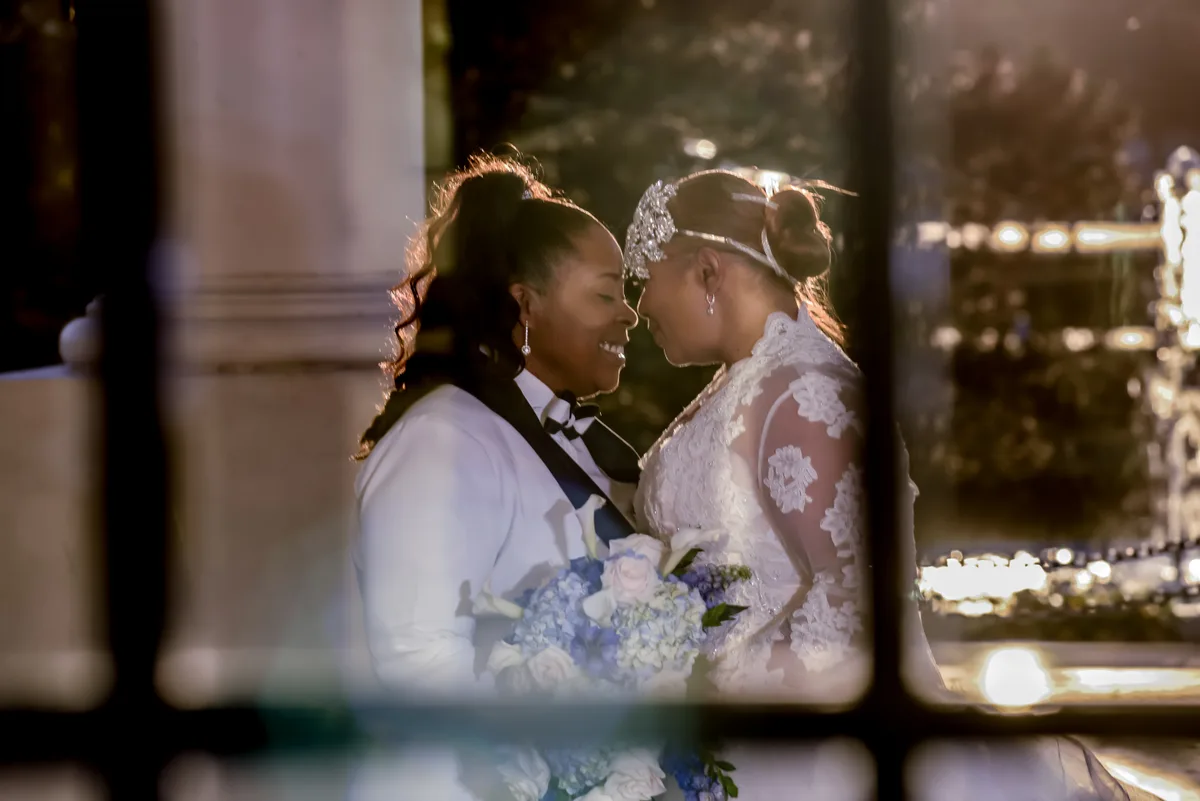
2. What Happens If You're Sick or Have an Emergency on My Wedding Day?
This question makes some photographers uncomfortable, which is exactly why you should ask it. Every professional should have a backup plan, either a network of trusted shooters they can call or a formal second-shooter agreement.
What to look for: A specific, confident answer. "I have a network of three photographers I can call" is reassuring. A long pause followed by "that's never happened" is not.I maintain relationships with several experienced photographers in the Orange County area specifically for this scenario. It's never happened, but the plan exists.
3. How Many Weddings Have You Shot?
Experience matters in wedding photography more than almost any other genre. Weddings are fast, unpredictable, unrepeatable, and emotionally high-stakes. Someone who's shot 10 weddings is still learning. Someone who's shot 200+ has seen everything (venue power outages, runaway timelines, family drama, weather disasters) and knows how to handle it without missing a beat.
What to look for: At least 50 full weddings as the lead photographer. Number alone isn't everything, but it's a meaningful indicator.4. What's Your Turnaround Time?
This varies wildly in the industry. Some photographers deliver in 2-3 weeks, others take 3-6 months. Neither is inherently wrong, but you should know the timeline upfront and it should be in the contract.
What to look for: A specific commitment, not a vague range. "6-8 weeks" is fine. "A few months, depending on the season" suggests an unpredictable workflow.I deliver full galleries within 3-4 weeks, with sneak peeks within 48 hours.
5. Do You Bring Backup Equipment?
Cameras fail. Lenses break. Memory cards corrupt. These are mechanical tools, and mechanical tools have failure rates. A professional should carry a second camera body, backup lenses, extra flash, and redundant memory cards at every wedding.
What to look for: Two camera bodies minimum, shot to dual card slots for redundancy. If someone shows up with one camera and one memory card, your entire wedding exists on a single point of failure.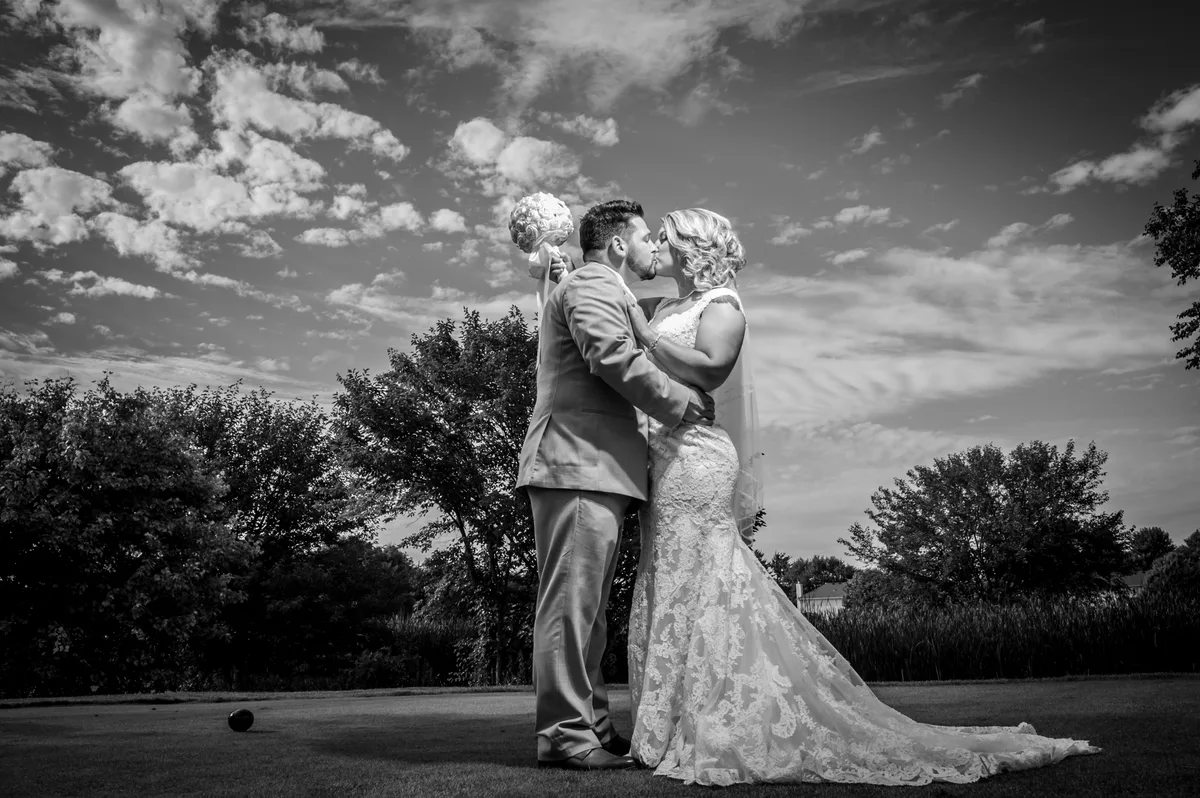
6. Will You Be the One Shooting, or Could It Be an Associate?
Some studios book under the lead photographer's name but send an associate to shoot. This isn't necessarily bad. Associate programs at good studios maintain quality standards. But you should know who will actually be there on your wedding day.
What to look for: A direct answer. If it's an associate, ask to see their specific portfolio and meet them before booking.Every Lima Bean Photography wedding is shot by me personally. I don't operate an associate model.
7. How Do You Handle the Family Formal List?
This reveals organizational skills. Family formals are logistically complex. Multiple groupings, people who don't know where to stand, a ticking clock before cocktail hour starts. A photographer who wings it will eat 45 minutes. One with a system will finish in 15-20.
What to look for: A process. I build the shot list with couples weeks in advance, assign a family member as the "wrangler" to gather people, and work through combinations in a pre-planned order.8. What's Included in the Package, and What's Not?
Get specific. How many hours of coverage? Is an engagement session included? How many edited images? Do you get digital files, and at what resolution? Is there an online gallery? Are prints or albums included or extra?
What to look for: Transparency. Every deliverable should be listed in the contract. Watch for packages that sound comprehensive but charge extra for essentials like full-resolution files.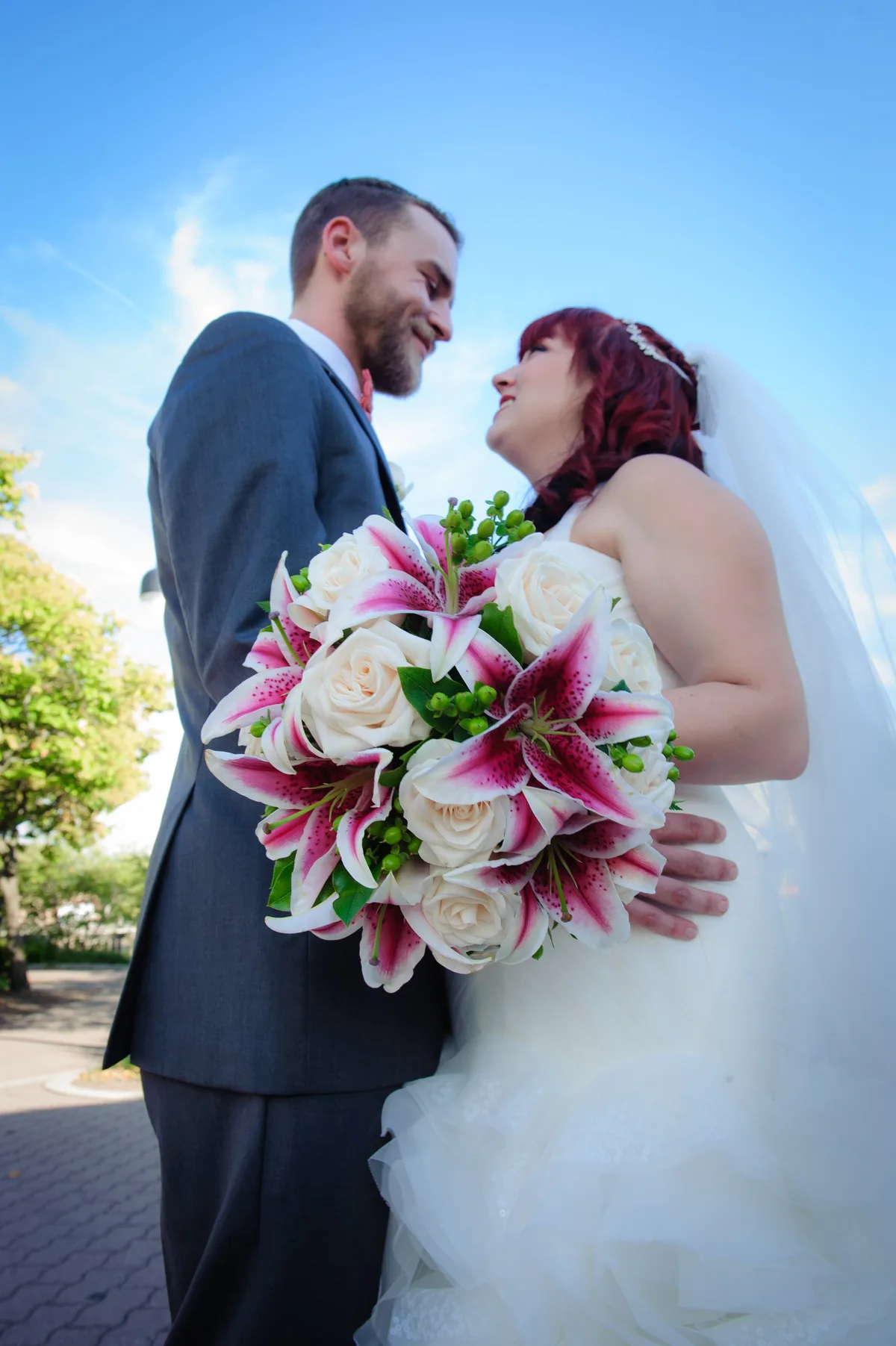
9. Can You Help With the Timeline?
A good wedding photographer isn't just a person with a camera. They're a timeline consultant. They know how long formals take, when golden hour happens on your specific date, and how to build buffer time for the inevitable delays.
What to look for: Someone who asks about your venue, your ceremony time, and your priorities before suggesting a timeline. If they say "just tell me when to show up," they're not invested in the day's success.I build a custom photo timeline for every wedding I shoot, coordinated with the planner and venue team.
10. What's Your Cancellation and Rescheduling Policy?
Life happens. COVID taught the entire wedding industry this lesson. You should understand what happens to your deposit if you need to reschedule or cancel, and the answer should be in writing.
What to look for: A reasonable policy that protects both parties. A non-refundable retainer is standard, but the policy for rescheduling should be flexible within reason.The Meta-Question
Beyond these 10 questions, ask yourself one more: do I actually like this person? You'll spend more time with your photographer on your wedding day than with almost anyone except your partner. If the consultation feels stiff, forced, or transactional, that energy will carry into the day.
The best wedding photos come from trust, comfort, and genuine connection between the photographer and the couple. Everything else is technical.
Learn more about Orange County wedding photography with Lima Bean Photography