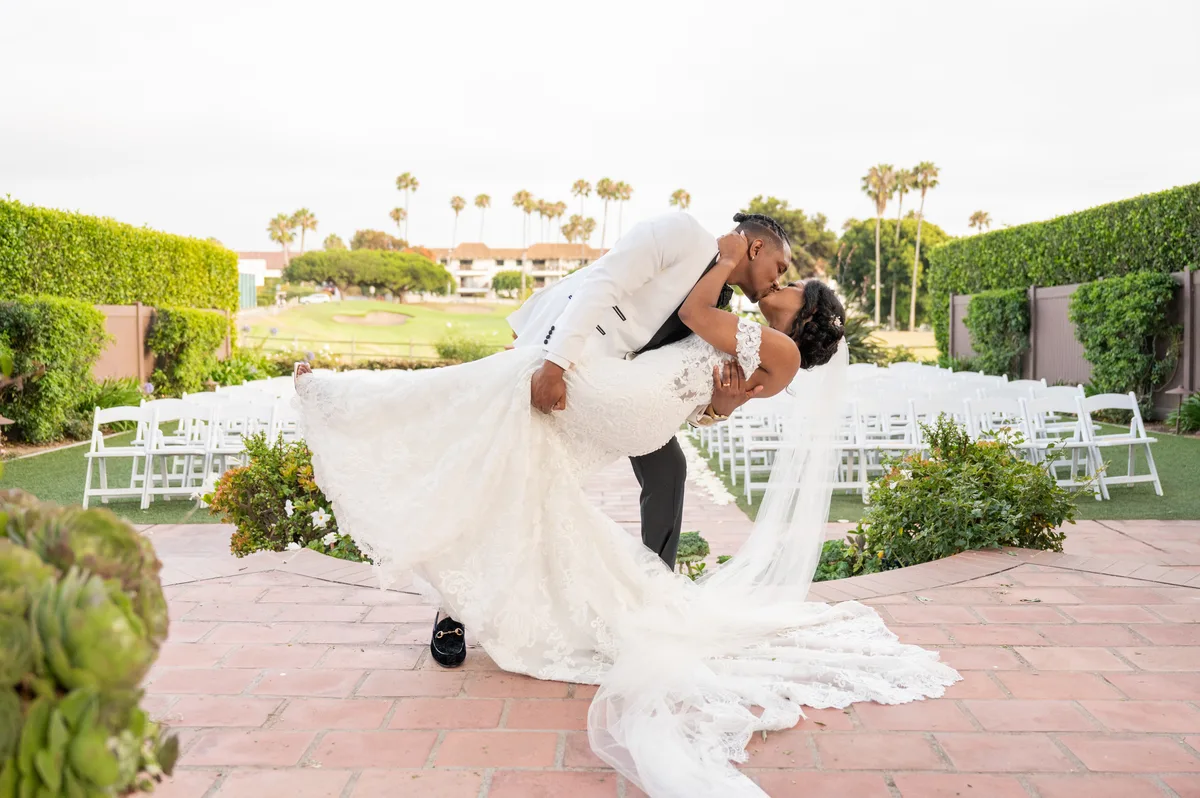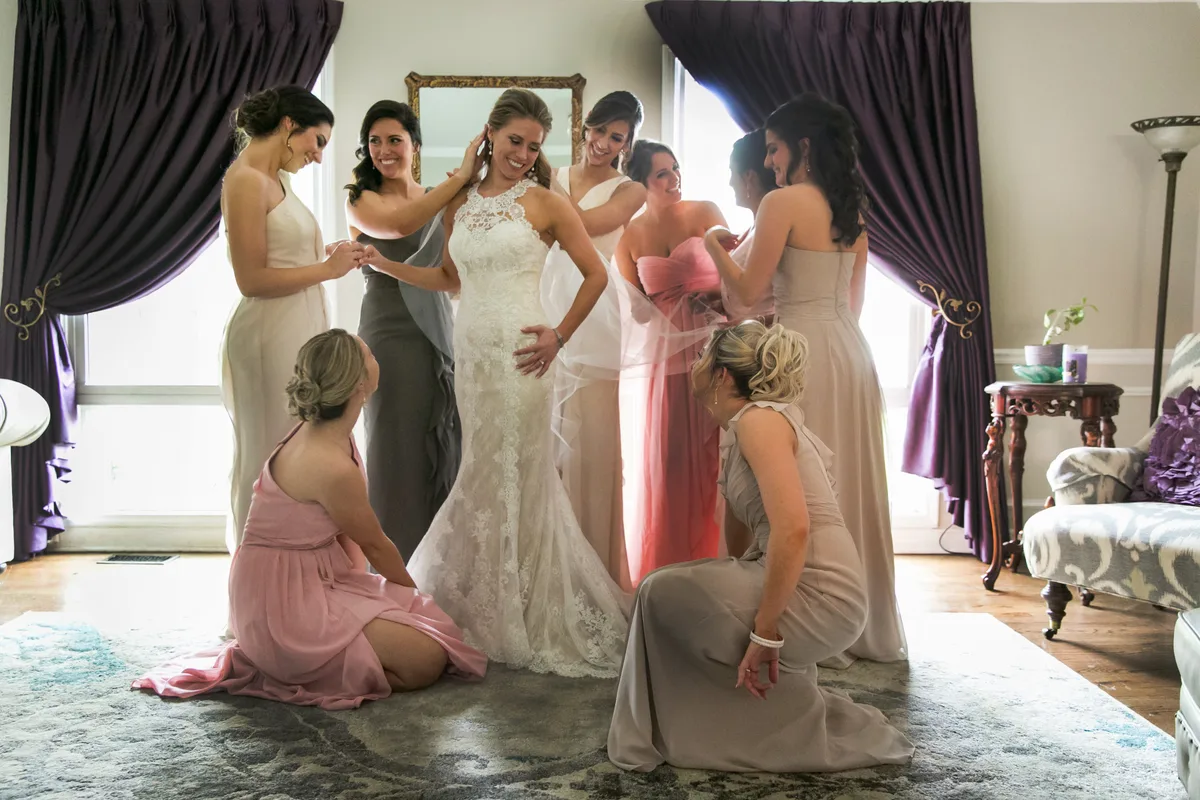
Couples see the final gallery. 600-800 polished images that tell the story of their day. What they don't see is the 14 hours of decision-making, physical endurance, and controlled chaos that produced those images.
I'm pulling back the curtain. Here's what a typical wedding day looks like from my side of the camera.
6:00 AM - Gear Check
My wedding day starts before the alarm. I lay out two camera bodies, five lenses, four speedlights, extra batteries, memory cards (always more than I think I'll need), light modifiers, a backup camera, and miscellaneous tools like lens cloths, gaffer tape, a multi-tool, energy bars, and a phone charger.
The bag weighs roughly 35 pounds. My second shooter carries another 25 pounds. Between us, we're hauling 60 pounds of equipment for the entire day.
I format all memory cards, test each camera body, and charge everything to 100%. Then I check the weather, review the timeline one more time, and eat the biggest breakfast I can manage. It might be 8 hours before I eat again.
1:00 PM - Arrival and Getting Ready
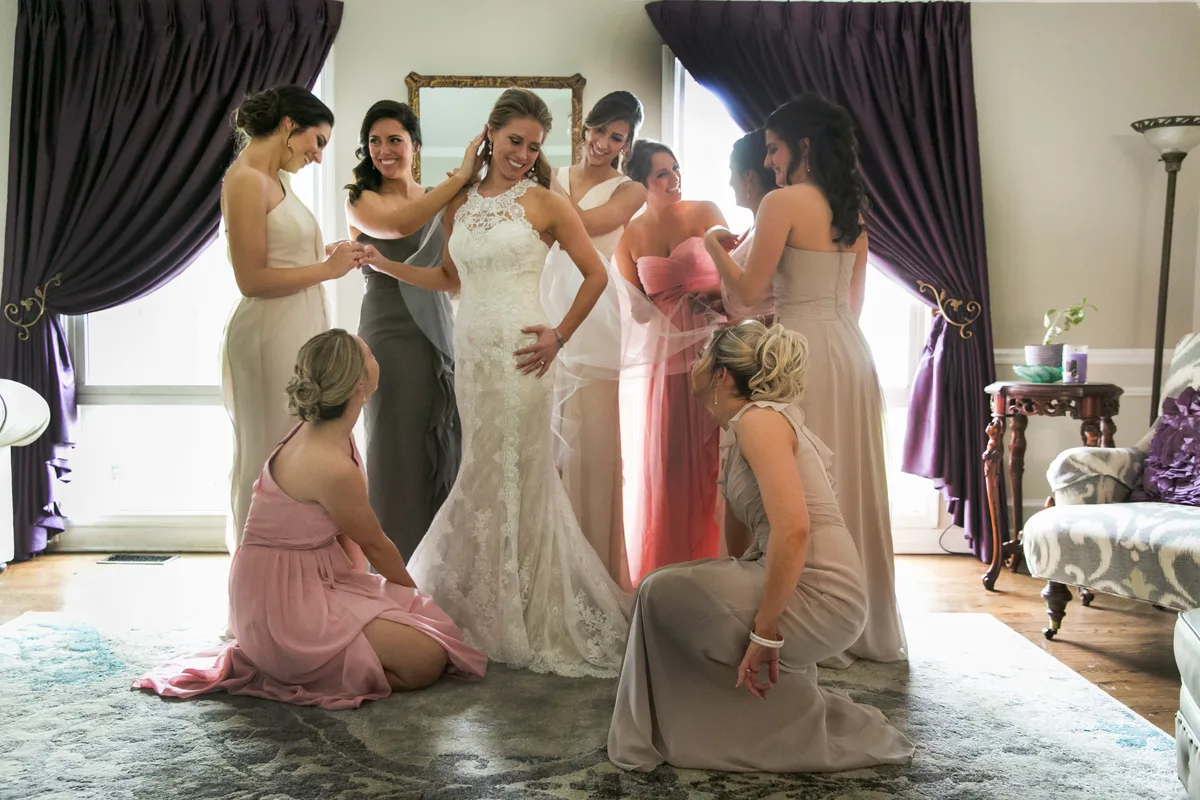
For a 5:00 PM ceremony, I typically arrive at 1:00 PM. The first few hours are getting-ready coverage: the bride's hair and makeup, the groom putting on cufflinks, detail shots of the dress, shoes, rings, invitations, and perfume bottles.
This part looks calm but requires constant attention. I'm shooting in hotel rooms and bridal suites with terrible overhead lighting, mirrors everywhere (which means watching my own reflection in every frame), and limited space. I'm setting up off-camera flash to create flattering light, moving furniture to clear backgrounds, and gently directing without disrupting the flow.
My second shooter is usually with the other getting-ready party, capturing parallel moments.
What I'm thinking about: Light quality, timeline pacing, making sure I have the must-have detail shots before they get packed away, and keeping the energy relaxed.3:30 PM - First Look or Pre-Ceremony Portraits
If the couple does a first look, this is when we shoot it. I've scouted the location during the venue walkthrough, identified the best light, and positioned myself to capture the reaction without being intrusive. I shoot from multiple distances. A wide establishing shot, a medium shot for emotion, and a tight crop for the details.
After the first look, we move into couple portraits and wedding party photos. This is the most physically demanding part of the day. I'm constantly moving, crouching, lying on the ground, climbing stairs for overhead angles, walking backward to lead the couple through a location.

5:00 PM - Ceremony
During the ceremony, I don't stop moving. I shoot from the back, the side, behind the officiant (if permitted), and from the aisle. I'm reading body language to anticipate moments. When someone's about to cry, when the ring exchange is coming, when the kiss is imminent.
I'm also managing settings constantly. The light changes as clouds move, as the sun shifts, as the ceremony progresses. I might adjust exposure 50 times in a 30-minute ceremony.
The rule I follow: Never be a distraction. The guests should barely notice I'm there. No flash during vows. No standing in the aisle blocking grandma's view. No loud shutter sounds during quiet moments (I switch to silent electronic shutter).5:45 PM - Family Formals
This is the least glamorous but most important 20 minutes. I work from a pre-made shot list (built with the couple weeks before) and move through combinations efficiently: immediate family, extended family, grandparents, special groupings.
I'm essentially a traffic director. "Mom and Dad, stage left. Siblings, fill in behind. Grandma, let me grab you a chair." Speed matters because guests want to get to cocktail hour and the couple wants to enjoy their day.
6:00 PM - Golden Hour Portraits
If the timeline allows, I steal the couple away for 10-15 minutes during golden hour. This is often where the single best image of the day happens. The light is warm, the couple is relaxed because the ceremony is done, and we have a few quiet minutes away from the crowd.
I shoot fast. I know exactly where I want them and what I'm looking for. We might visit two or three spots in 10 minutes.
7:00 PM - Reception
Receptions are a completely different skill set. I'm shooting in low light with moving subjects: dancing, speeches, toasts. I'm bouncing flash off ceilings, pushing ISO higher than makes me comfortable, and anticipating moments that happen in fractions of a second.
The father-daughter dance. The best man's punchline. The moment the couple sees the sparkler exit. These are one-shot moments. There's no asking for a redo.
I also shoot the details people spent months planning: centerpieces, place settings, the cake, the seating chart, the photo wall. These take 5 minutes but mean a lot to the couple and vendors.
10:00 PM - The Exit
Sparkler exits, grand send-offs, last dance photos. By this point I've been on my feet for 9+ hours, my back is aching from the gear weight, and I've shot somewhere between 3,000-5,000 frames. But the exit shot matters. It's often the final image in the gallery, so the energy stays high.
The Next Two Weeks - Editing
The wedding day ends, but the work doesn't. Over the next 2-3 weeks, I'll cull those 4,000+ images down to 600-800. I color correct every one, retouch key portraits, build the narrative arc of the gallery, and deliver the final collection.
That editing process takes 25-40 hours per wedding. It's where the photos go from good to cohesive, and where the visual story actually comes together.
Why I Love It
Fourteen hours on your feet, 60 pounds on your back, thousands of split-second decisions, and I genuinely love every part of it. There's no other job where you're trusted with someone's most important day. You have to be equal parts artist, director, technician, and therapist.
Every wedding teaches me something. And every gallery I deliver reminds me why I chose this.
 See more wedding photography and book a consultation